DevOps tools
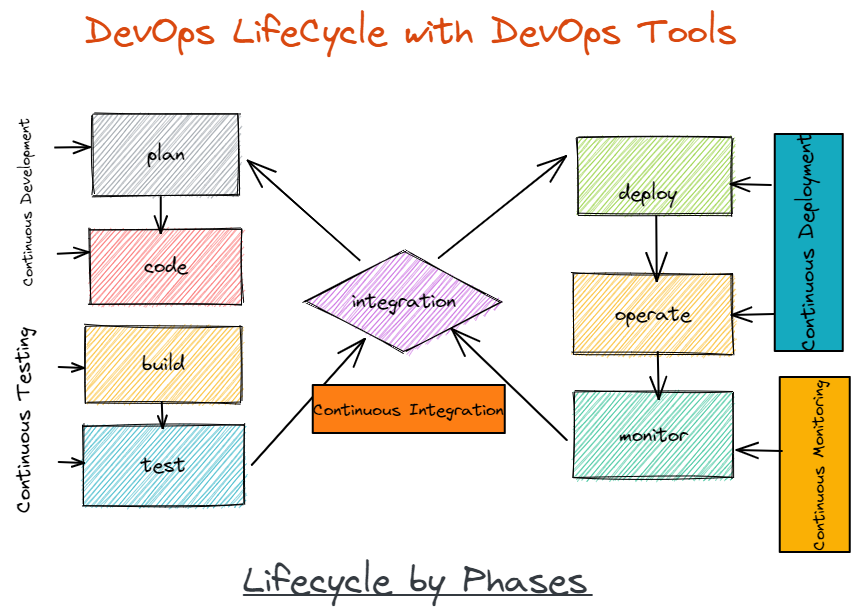
Below are the five different phases,that any software/ application has to pass through when they are developed through the DevOps lifecycle:
- Continuous Development
- Continuous Testing
- Continuous Integration
- Continuous Deployment
- Continuous Monitoring
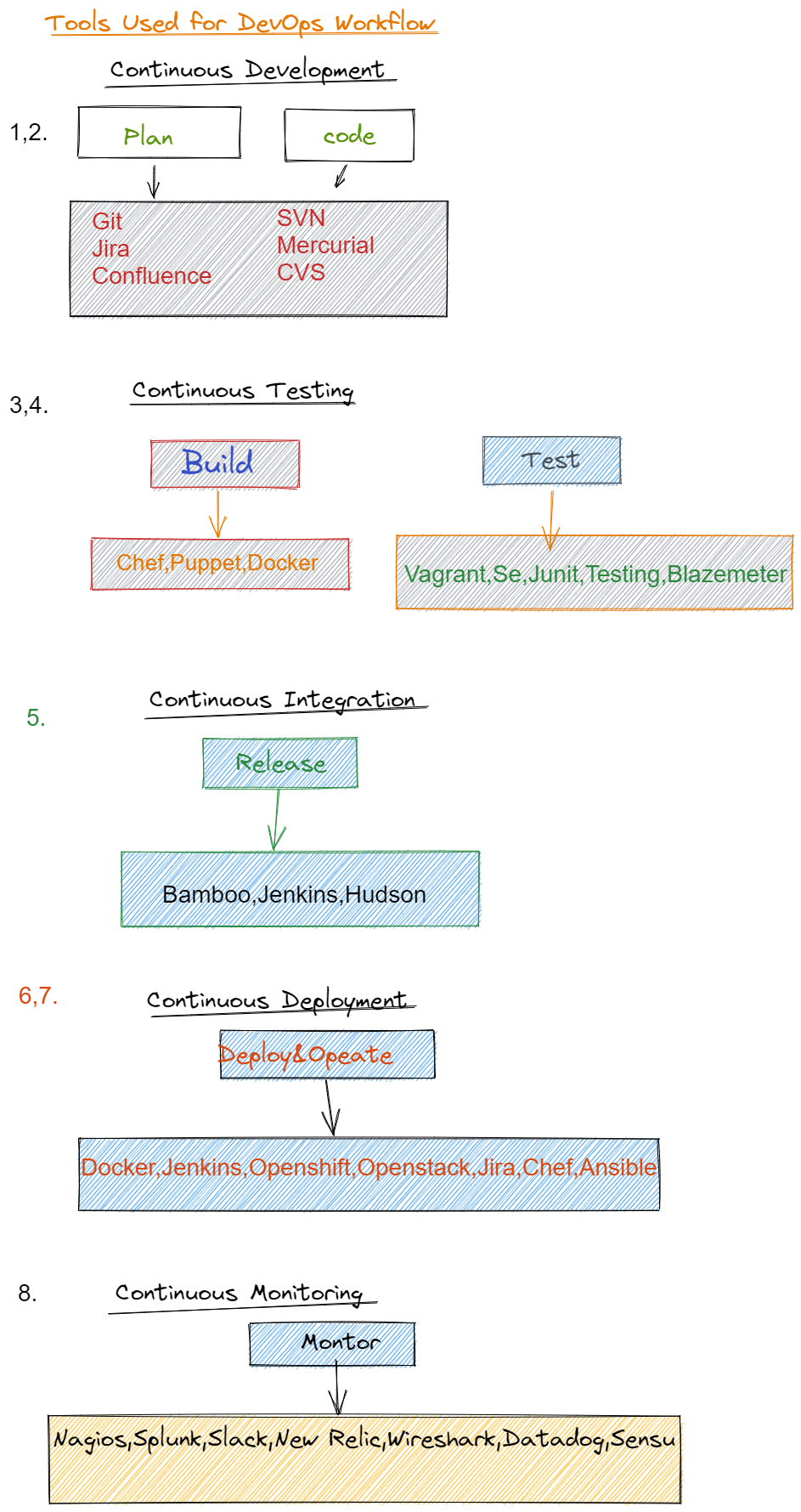
1: Continuous Development
Tools Used: Git, SVN, Mercurial, CVS
This phase involves ‘planning‘ and ‘coding‘ of the software.
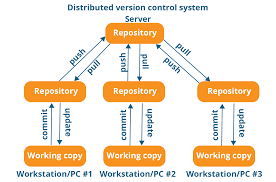 There are no DevOps tools required for planning,but number of tools are available for maintaining the code.
- Codes can be in any language but you must maintain it by using Version Control tools.
- Maintaining the code is known as Source Code Management.
- After the code is developed, then move to the Next Phase.
2:Continuous Testing
Tools Used: Selenium, TestNG, JUnit/ NUnit
This is the stage where you can test the developed software continuously for bugs using automation testing tools.
- Automation testing saves time,effort and labor etc.
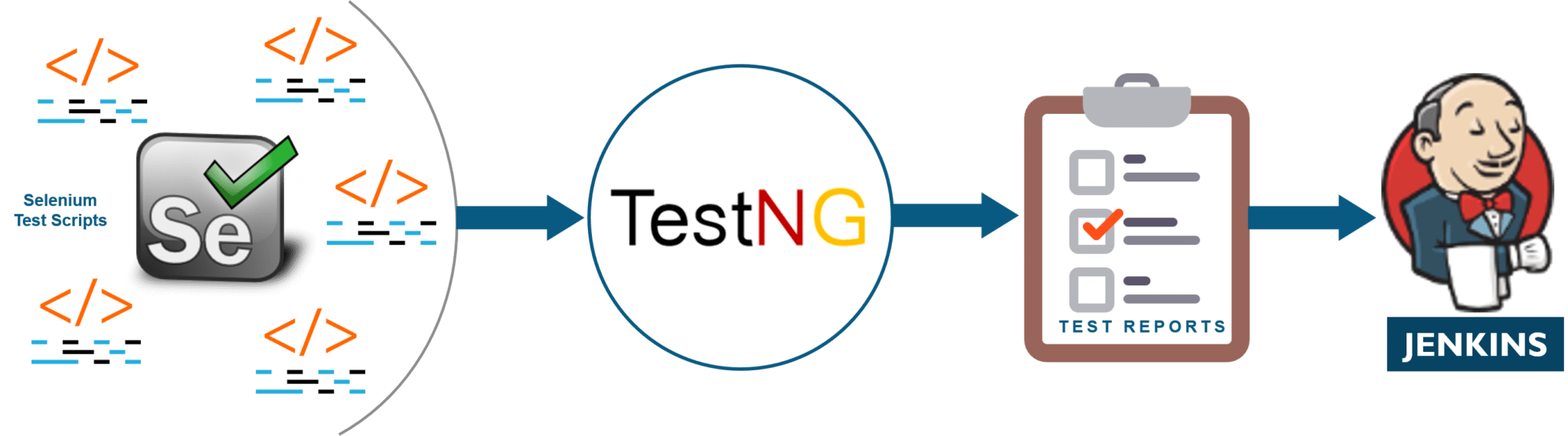
- Selenium is the automation testing tool,and the reports are generated by TestNG tool.
- the role of continuous integration tools like Jenkins are like...
3:Continuous Integration
Tools Used: Jenkins/Hudson/Bamboo
This stage is the core of the entire DevOps life cycle. It is a practice to the developers,require to commit changes to the source code more frequently.
- Continuous Integration (CI) plays a major role even during the first release.
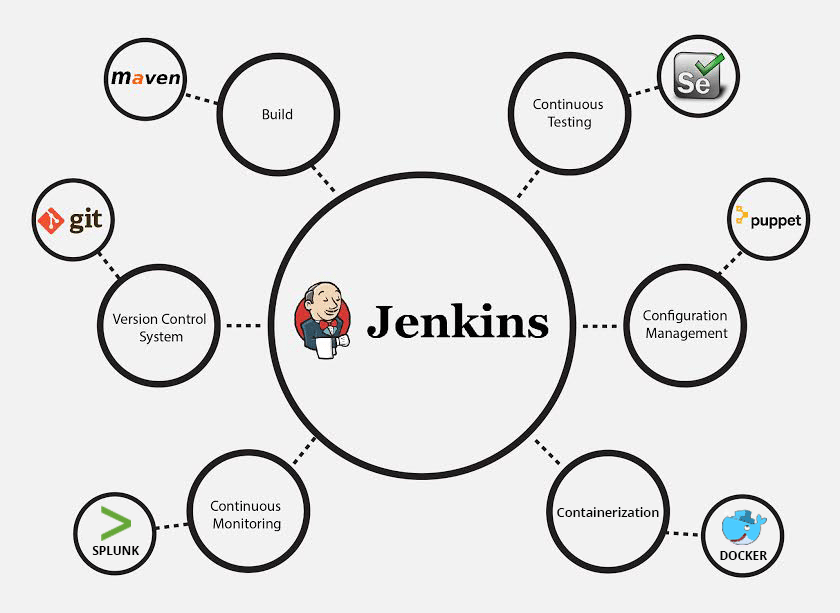
- The most popular CI tool in the market is Jenkins.
- In this Phase we use the tools for building/ packaging the code into an executable file.
4:Continuous Deployment
Tools Used: Puppet, Chef, Ansible, SaltStack
Here we deploy the code on the production servers. Configuration Management is the act of establishing and maintaining, meanwhile..
- when we finished Updating software to the server its not over yet!..
- CD is used for those staffs
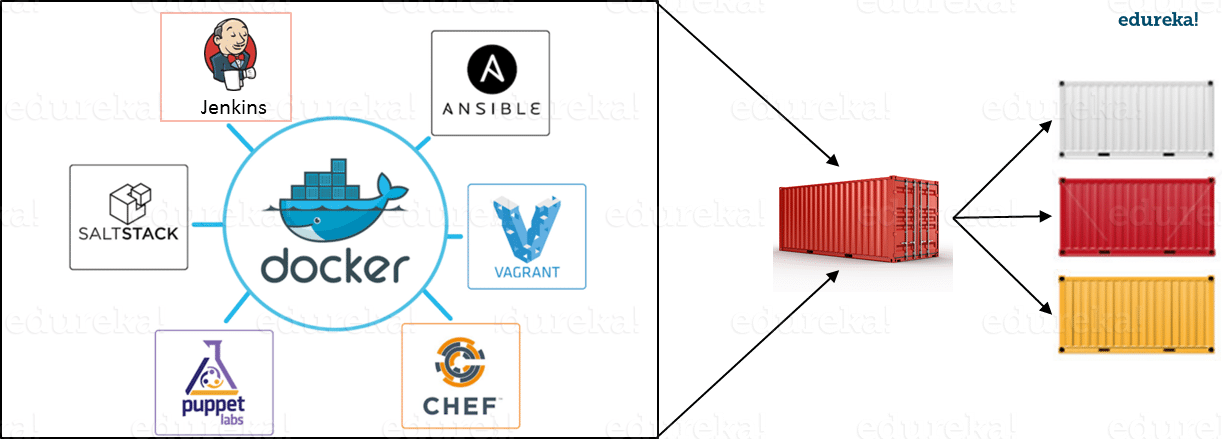
- Containerization tools also plays crucial role in the deployment stage.
- It clears chance of errors in the production environment by packaging and replicating the same dependencies and packages.
- Docker is the well known Depolyment Tool.
5:Continuous Monitoring
Tools Used: Splunk, ELK Stack, Nagios, New Relic
Monitoring is the important process. When developing the application because there will always be a chance of bugs that escape undetected during the testing phase.
- To reduce the bugs in the application must use Monitoring tools
- Monitoring tools also report failure and unfavorable conditions before your clients.